
Dealing with the ‘D-Word’
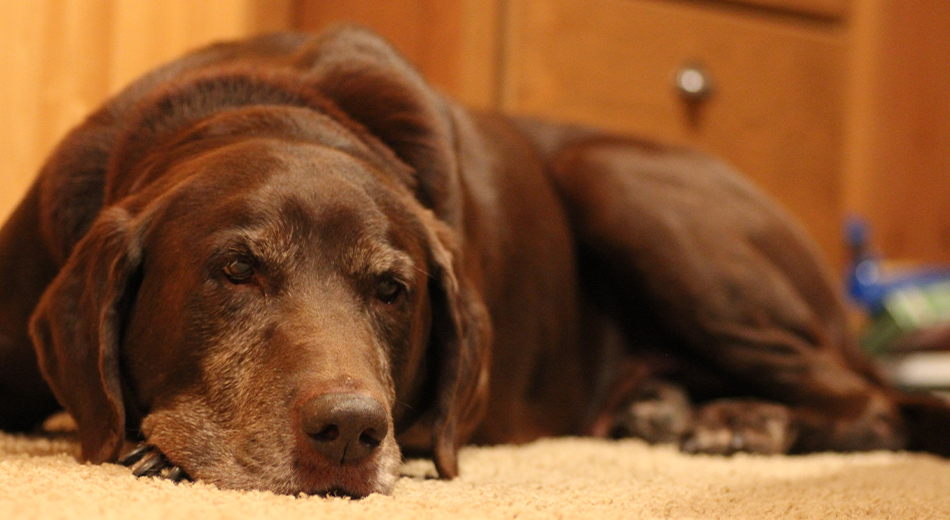
Nobody likes talking about loose stools, but a little knowledge can prevent them from sidelining your duck dog for long
By Bill Miller
It comes with owning a dog; any dog, but especially a retriever that by occupation spends a good bit of its time out of the house or kennel off-lead. They get into stuff. And any dog can “catch a stomach bug.”
Whatever the reason, you, your charge, and your family, will most likely have to deal with doggy diarrhea at some point. It’s never a good time to begin with, but somehow it always seems to come about at the worst times—the eve of opening day, when you’ve booked the dog at the boarding kennel, or when you’ve got a major deadline at work.
The key to dealing with the “D-word” efficiently and to give comfort to your dog as quickly as possible is to have a plan and keep in stock the items needed to deal with it in the short term—at least until the vet’s office opens!
A couple weeks back, for the first time in her 13-plus years, Karat whined in her kennel loudly enough to wake me up at 2:30 a.m. on a Saturday. Because this was so unusual, I immediately got up to check on her. I came out of the bedroom door, and the odor emanating from the sunroom where she sleeps immediately alerted me to the problem.
I opened the porch door first, then her kennel so she could exit straight out. I grabbed the leash and took her out onto the lawn. She immediately squatted and eliminated some more. We walked, she squatted. We walked, she squatted. Over and over again until finally it seemed she was finished.
I put her in her outdoor kennel and went back to the house to grab her crate and move it outside. I also grabbed the bottle of Gastro-Cote and syringe the vet had provided some years back—the last time one of our dogs had this issue.
By the time I got there, she’d gone again in her outdoor kennel. I gave her the prescribed dose of meds and then made sure she had plenty of fresh water in her bucket. Next, I addressed her indoor kennel, threw away the pad, and cleaned up the rest with bleach wipes. I sponged it down with clean water and dried it all with paper towels.
Back in the house, the air was still noxious, so I used some bathroom air freshener to try to cover the smell.
With the immediate sanitation issues handled, I checked on Karat again. She hadn’t gone anymore and seemed to be resting easy on the platform in her kennel. I topped off the water in her bucket and went back into the house to assess.
Discovery
The first thing to do when your dog comes up with an extremely loose bowel is to try to determine the cause. If you saw your dog gulping down pond water during a training session or it delivered really foul breath along with the dummy when you commanded “drop,” or you recently changed the dog’s diet in some way, you likely have a good idea of the source of the problem. It’s more concerning when there’ no apparent cause for the diarrhea. When it comes out of the blue it can be a sign of a bacterial or viral infection, parasites, a geriatric related issue, or something else.
Deciding
The decision whether it’s worth a trip straight to the emergency vet (if it’s 2:30 in the morning or a weekend) will be based on whether there are other symptoms present. If the dog is also vomiting, has blood in the stool, is lethargic, or not eating normally then it’s wise to seek veterinary treatment immediately.
However, if it appears it’s simply a case of the common runs, you may choose to wait it out and call your regular vet as soon as he or she is available. That’s what I did with Karat.
Doing
If you choose to or have to wait to see a vet, the first thing to do is keep the dog well-hydrated—fresh, cool water available around the clock. Additionally, make the dog fast for at least 12, and better 24, hours before offering food. One old vet told me this is sort of like hitting the reset button.
If you have a stomach settling medication FOR DOGS on hand, administer it at the dosage in the directions. (Do not use medications meant for people like Pepto-Bismol or Imodium AD unless you are specifically directed to do so by a vet.)
When you offer food again, start with things that are easily digestible such as boiled white rice, small pieces of boiled and shredded boneless skinless chicken breast, and plain yogurt or cottage cheese. (If I offer that combination to Karat, she eats every morsel of chicken and cottage cheese but somehow manages to leave every grain of rice in the dish!) Also continue stomach soothing medication as directed.
Watch the next bowel movements closely. If they start to take some form rather than just pure liquid, you’re on the right track. You can begin to add some high-quality canned food to the mix and/or just a small amount of the dog’s normal kibble. At this stage, my vet also recommends adding a canine probiotic—preferably a powder version sprinkled over the food. If the consistency of the stool continues to improve, you can slowly up the proportion of the dog’s regular food. Then call your vet as soon as available.
The vet may want to see the dog or might simply tell you to keep up your regimen and call back if there would be a turn for the worse.
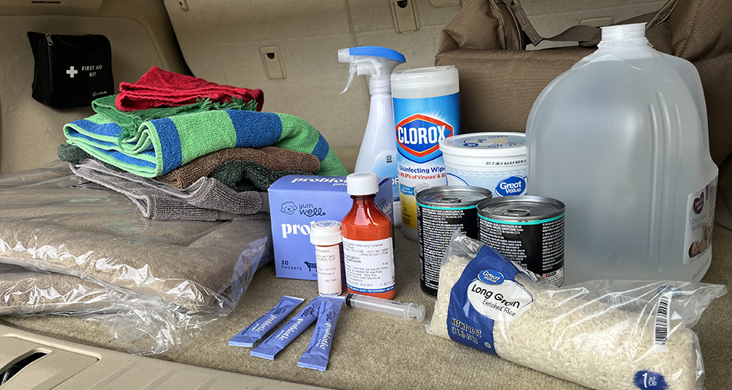
Draw Up Your List
If doggy diarrhea hits at home, you’ll have the things you’ll need on hand to deal with it, but if you’re on the road or in duck camp somewhere, you should make sure to plan ahead for what you’ll need. The list includes:
• Extra kennel pad(s)
• Lots of extra towels
• Antiseptic wipes
• Air freshener or “Pooph” Skunk Odor Eliminator (which should be a mainstay in your kit)
• Ample fresh water
• Medications (prep with your vet ahead of time)
• Canine probiotic powder
• A few cans of easily digestible, high-quality dog food
• Some other forms of easily digestible foods
• The phone number and address of the nearest emergency vet
Remember, the d-word’s not an “if” proposition; it’s a when! Be prepared for your sake and your dog’s.